The Practical Guide to Health Log Books: Comparing Options for Effective Tracking
Managing a chronic health condition or simply keeping tabs on your wellness often requires consistent, clear tracking. Whether you’re monitoring blood pressure or blood glucose levels, the method you choose for recording this data can significantly impact your ability to spot trends, communicate with your doctor, and achieve your health goals. Among the various tools available, dedicated health log books represent a classic, tangible approach. Understanding what these tools offer, and how they compare with other methods, is key to selecting a system that fits your lifestyle and needs.
What Distinguishes a Traditional Health Log Book?
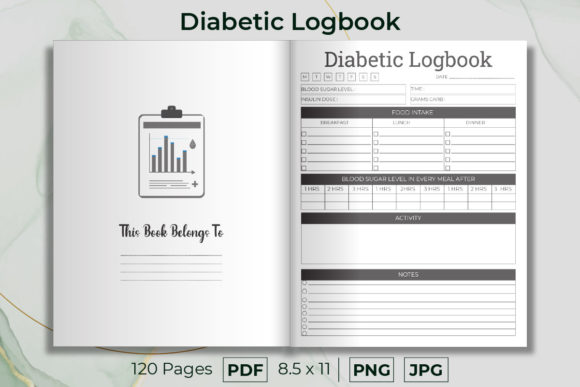
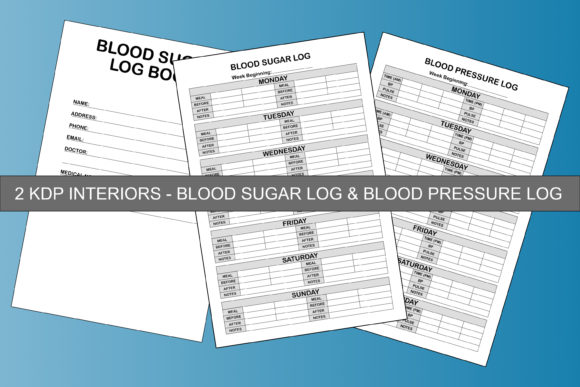
A health log book is, at its core, a structured paper journal designed specifically for recording numerical health data over time. Unlike a generic notebook, a logbook provides pre-formatted pages with labeled fields for entries like date, time, measurements, and often notes on medication, diet, or symptoms. This structure removes the cognitive load of creating a layout each time you record, ensuring consistency. For example, a well-designed blood pressure logbook will have clear spaces for systolic and diastolic readings, pulse, and the time of measurement, while a blood sugar logbook will prompt for pre-meal, post-meal, and possibly insulin dosage information.
The distinct advantage of this format is its simplicity and focus. There is no software to learn, no device to sync, and no risk of digital distraction. The act of physically writing can also create a more mindful connection to the data. For many, flipping through pages provides an immediate, visual sense of progress or concerning patterns that might be less apparent in a digital list. Furthermore, a physical log book is an unambiguous, standalone record that can be easily brought to a doctor’s appointment without relying on a smartphone’s battery or a clinic’s Wi-Fi.
Comparing Tracking Methods: From Paper to Apps
When evaluating how to track health metrics, it’s useful to consider the spectrum of available options. Each has its own set of strengths and tradeoffs, and the best choice often depends on individual preferences and circumstances.
Digital Health Apps and Spreadsheets
Digital tools, ranging from specialized health apps to simple spreadsheet files, offer powerful features. They can automatically generate graphs, calculate averages, send reminders, and even share data directly with healthcare providers. For tech-savvy individuals who appreciate automation and data visualization, these are compelling options. However, they require a reliable device, some degree of technical comfort, and often a willingness to navigate subscription models or data privacy considerations. The experience can feel transactional, and for some, the constant interaction with a screen detracts from the reflective nature of health management.
Basic Notebooks and Diaries
Using a plain notebook offers maximum flexibility. You can draw your own charts, write lengthy notes, and combine health tracking with other journaling. This approach is highly personalized but demands significant discipline and time to maintain a usable structure. Without prompts, you might forget to record key details, leading to inconsistent data that is difficult to analyze. For meticulous tracking of specific numerical metrics, an unstructured notebook often becomes inefficient compared to a purpose-built tool.
Pre-Printed Health Log Books
This is where a dedicated log book, such as those designed for blood pressure or blood sugar, finds its niche. It occupies a middle ground: providing the structure and focus of a digital app without the electronics, and the tangibility of a notebook without the organizational burden. A key feature of many quality log books is long-term capacity—for instance, a book with 104 weekly pages accommodating two full years of entries. This long horizon supports the kind of sustained tracking needed for chronic condition management, allowing you to observe seasonal trends or long-term treatment effects.
The tradeoff is inherent to paper: entries are manual, and analysis like calculating a monthly average requires separate effort. There is no automatic backup, so the log is susceptible to physical loss or damage. However, for many, these limitations are acceptable given the benefits of usability, privacy, and undivided focus.
Key Decision Factors When Choosing a Log System
Selecting between a paper log book, an app, or another method isn’t about finding the universally “best” option, but the best fit for you. Consider these practical factors.
Your Comfort with Technology: If you prefer to minimize screen time or find mobile apps frustrating, a paper log is a straightforward solution. Conversely, if you love data analytics and want instant charts, digital is likely superior.
The Need for Portability and Simplicity at Appointments: A physical book is arguably the simplest tool to share during a face-to-face consultation. You can hand it directly to your physician, who can quickly scan through weeks or months of entries without needing to access a portal or app.
Your Tracking Discipline: A structured log book with clear daily or weekly slots can serve as a visual prompt, encouraging consistent use. It sits on a nightstand or counter as a physical reminder. Apps rely on notification alerts, which some users ignore or find intrusive.
Data Security and Privacy Concerns: Paper logs reside entirely in your possession. For individuals concerned about the privacy policies of health apps or cloud storage, a notebook offers complete control. The risk, of course, is that it can be lost or seen by others in your household.
When a Dedicated Log Book Is the Right Choice
Based on these comparisons, a pre-formatted health log book is often an excellent choice in specific situations. It excels for individuals who value a tactile, focused tracking routine without digital dependencies. It is particularly suitable for older adults or anyone who finds technology a barrier rather than a benefit. Furthermore, if your primary goal is to maintain a clean, chronological record for personal review and doctor visits, the simplicity of a log book is hard to beat.
Consider a realistic example: someone managing hypertension. They need to take readings twice daily and note any medication changes. A blood pressure logbook with a two-year layout not only provides a dedicated place for this data but also frames the task as a long-term project, which can be psychologically encouraging. The weekly page format allows for a quick weekend review of the week’s trends, something easily done without opening an app.
Limitations and When to Consider Alternatives
It’s equally important to recognize when a paper log book might not suffice. If you require complex data analysis—like comparing your blood sugar levels against a database of food entries, or receiving predictive alerts—a sophisticated digital platform is necessary. For individuals tracking multiple, interconnected metrics (e.g., glucose, insulin, exercise, and calorie intake), a single-purpose log book may feel too narrow, and a customizable app or integrated digital system could provide a more holistic view.
Additionally, if you travel extensively or have a lifestyle where carrying a book is inconvenient, a smartphone app offers obvious advantages in portability and backup. The loss of a single notebook could mean the loss of months of critical data, whereas cloud-based digital data is typically recoverable.
Making an Informed Decision
Ultimately, the choice is personal and practical. Start by clarifying your core need: Is it primarily to have a reliable record for your doctor? Is it to self-analyze trends with graphs? Is it the simplest possible system to ensure you don’t skip entries? If the answer leans toward reliability, simplicity, and a non-digital experience, then investing in a well-designed health log book with ample space for long-term tracking is a sound decision. Evaluate the book’s layout: does it have all the fields you need? Does its duration (like the two-year span) match your commitment?
Remember, tools are meant to serve your health journey, not complicate it. Whether you choose a log book, an app, or a hybrid method, the most important outcome is consistent, accurate tracking that empowers you to make better decisions for your well-being. By weighing these options against your personal habits and goals, you can select a resource that truly supports your path to better health.