The Editable Sewing Project Planner: Organizing Creativity, One Thread at a Time
Anyone who sews knows the feeling: a brilliant project idea sparks, followed by a wave of practical questions. What fabric will you use? How much do you need? What’s the step-by-step sequence? And where did you jot down that measurement adjustment last time? Creativity thrives on structure, and for the modern sewist—whether a hobbyist making gifts, an entrepreneur building a brand, or an educator teaching a class—the Editable Sewing Project Planner transforms that structure from a scattered collection of notes into a powerful, professional system.
More Than a Notebook: A Customizable Workflow
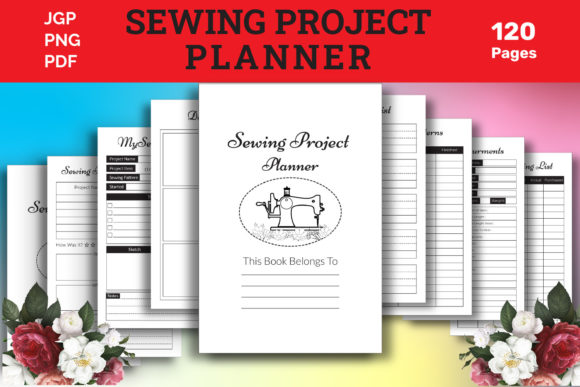
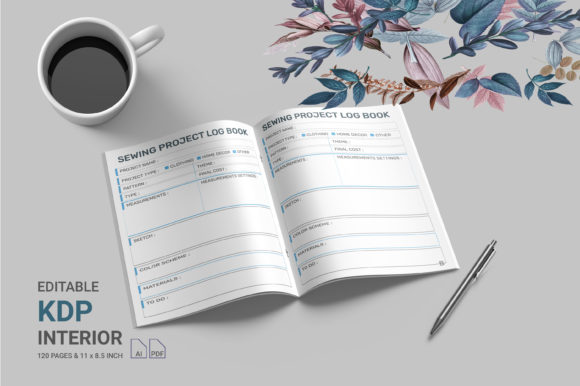
At its core, the Editable Sewing Project Planner is a 120-page, fully editable digital file. Designed at 8.5” x 11” with bleed and ready for high-resolution print, it’s a framework you can adapt, not a static journal you must accept. This is crucial. A quilter planning a complex bedspread needs different sections than a fashion student documenting draping techniques. With the editable Illustrator AI file and PDFs included, you can tailor the planner to your specific workflow—adding logo, adjusting page order, or emphasizing the sections you use most. It bridges the gap between the tactile joy of sewing and the digital efficiency of modern planning.
Where This Planner Finds Its Stitch: Real-World Use Cases
Imagine a small business owner running an online boutique for handmade children’s clothing. Each design—a romper, a pinafore—requires consistent documentation for reproduction, cost calculation, and material sourcing. Using the editable planner, she creates a master template for each product type. One project page holds fabric specifications from her supplier, another lists precise cut sizes, and a notes section captures customer feedback on fit. When she’s ready to upload a new product line to KDP or another platform, her production data is already organized, clear, and professional, saving hours of frantic searching through old notebooks.
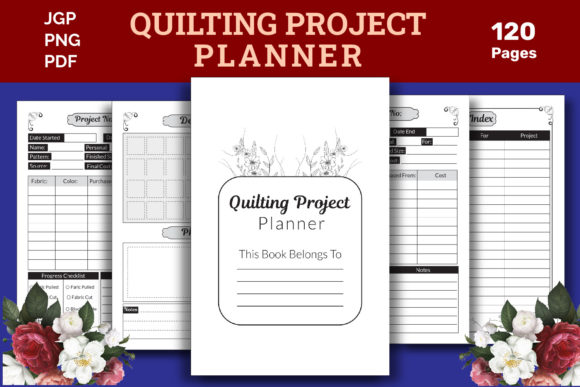
For the home hobbyist, the application is different but equally valuable. Consider someone embarking on a year-long project to make a quilt for a wedding gift. The planner becomes a central hub. They can sketch block layouts, track the progress of each section, and log the thread colors used for different phases. Because it’s editable, they can insert inspiration photos directly onto the pages or add a calendar page to schedule sewing sessions. The result is not just a beautiful finished product, but a documented, memorable journey they can share or revisit.
Educators and workshop leaders find immense utility here. When teaching a sewing course, consistency in instruction materials is key. An educator can edit the planner to create standardized project sheets for students. Each sheet can include the learning objectives, required tools checklist, and step-by-step instructions tailored to the class level. This provides students with a professional-grade handout and gives the instructor a reusable, scalable template for future courses.
Features Connected to Outcomes: What You Actually Gain
The mention of “120 pages” isn’t just a number; it’s the capacity to manage multiple complex projects or one extraordinarily detailed masterpiece without running out of space. The “fully editable” quality means you aren’t fighting a pre-formatted layout that doesn’t suit your method—you’re shaping the tool to serve your creativity. The inclusion of both AI and PDF files addresses two common realities: the need for deep customization (using the AI file) and the need for immediate, reliable printing or digital use (using the ready PDFs).
The “KDP Interior” and “print-ready” designation speaks directly to creators looking to offer physical products. If you’re a KDP seller, you understand the requirement for technically precise files. This planner is built to meet those specifications, turning your sewing project management system into a product you can share with a broader community of makers. It shifts the planner from a personal tool to a potential commercial offering.
Considering Your Fit: Before You Download or Adapt
While the editable sewing project planner is versatile, its value multiplies when aligned with your specific needs. Ask yourself a few practical questions. Do you primarily work digitally, on a tablet or computer, or do you prefer physical, printed pages to accompany you at your sewing machine? Your answer will determine how you use the PDF versus the editable AI file. What is the scale of your sewing? A person making occasional repairs might use a simplified version of the planner, while a costume designer for a theater group would need to expand it to manage multiple concurrent projects with team notes.
Also consider your comfort with basic digital editing. The editable file offers tremendous flexibility, but requires familiarity with software like Adobe Illustrator. If you don’t use such software, the provided high-resolution PDFs are still profoundly useful as a pristine, ready-to-print system. The key is to match the tool’s strengths to your environment and skills.
A Tool for the Entire Creative Process
The true benefit of a system like this is its coverage of the sewing lifecycle—from inspiration to completion. It’s a place to brainstorm initial ideas and sketch rough designs. It becomes a practical log for shopping lists, fabric swatch notes, and budget tracking. During construction, it holds your measurements, pattern adjustments, and machine settings. Finally, it serves as a archive, recording what you learned, what you’d change next time, and perhaps even a photo of the finished piece. This continuity turns isolated projects into a cohesive body of work, building your skills and confidence over time.
For the entrepreneur, this archival function is invaluable for brand development. Consistent records allow for the refinement of products, the accurate calculation of profit margins, and the creation of professional client documentation. That editable file becomes the template not just for planning, but for your business’s operational backbone.
In a world where DIY and handmade are celebrated, the infrastructure behind the creation often remains ad hoc. The Editable Sewing Project Planner offers a path to elevate that infrastructure. It respects the craft by providing a space to honor its details, and it supports the creator by turning chaos into order. Whether your next project is a simple apron or a elaborate gown, having a dedicated, adaptable space to plan it means your mind can focus on the most rewarding part: the sewing itself.