Streamline Your Business with an Online Order Tracker Logbook
Managing orders across different platforms can quickly become overwhelming. An email receipt, a note in an app, a spreadsheet entry—it's a scattered system prone to errors. An Online Order Tracker Logbook, specifically designed as a printable KDP interior, offers a tangible solution. It is a physical or digital book template, formatted to be uploaded directly to Amazon's Kindle Direct Publishing platform or printed at home, designed to centralize and simplify order management.
What Exactly Is a KDP Interior Logbook?
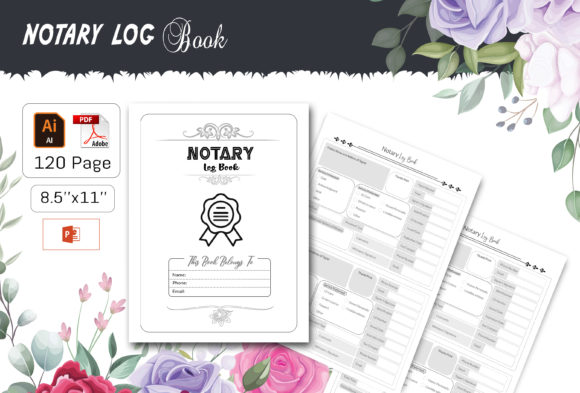
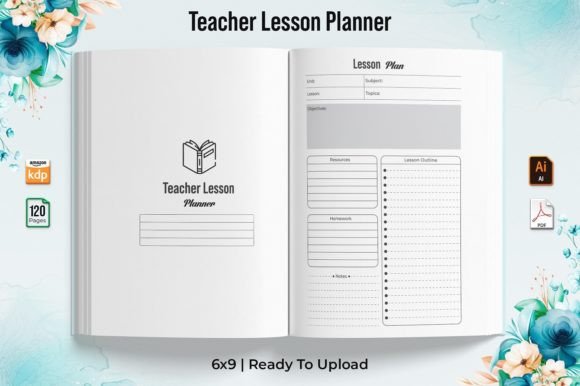
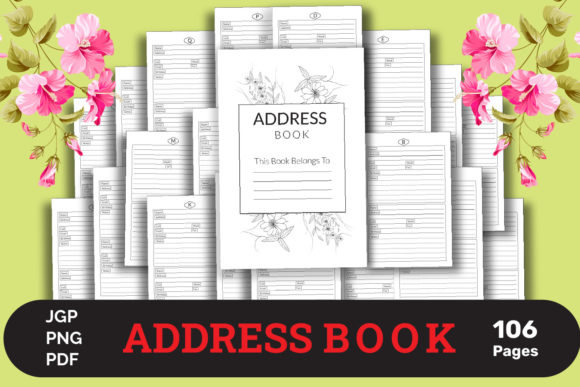
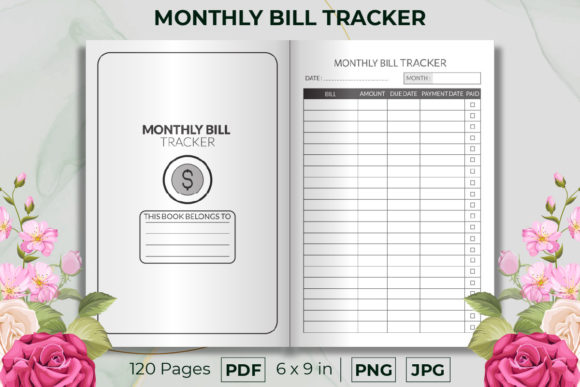
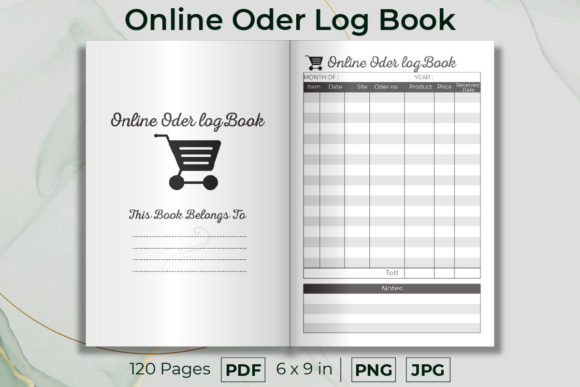
This isn't just a blank notebook. It's a professionally designed, structured template. Think of it as the ready-to-use interior pages of a book, with columns, headers, and layout optimized for tracking order details. The typical package includes a 120-page PDF formatted for the standard 6x9 inch paperback size, alongside high-resolution JPG and PNG files. This means you have both a digital file ready for KDP upload and individual image files suitable for other uses or customization. The core value lies in its readiness; the design work is done, saving you hours of layout struggles.
Why Different People Care About a Simple Logbook
The need for order tracking touches many lives, but the priorities and applications vary widely. For a hobbyist selling crafts on Etsy, clarity and simplicity are paramount. A busy freelance graphic designer receiving client orders might prioritize speed and reliability to avoid missed deadlines. A small business owner juggling suppliers, wholesale orders, and retail sales needs a system that supports complex logistics and presents data clearly for tax purposes. The same printable Online Order Tracker Logbook serves these different needs, but how each person uses and evaluates it will differ.
The Creator and Entrepreneur Perspective
For creators publishing on KDP or entrepreneurs running small e-commerce ventures, this logbook is both a tool and a potential product. Its design is already formatted to KDP's specifications, which eliminates a major technical hurdle. The included editable source files are a key benefit here. A creator might upload the PDF directly to sell as a physical logbook on Amazon. An entrepreneur, however, might use the PNG files to customize the layout further, adding brand colors or specific fields relevant to their niche, like "Fabric Type" for a textile business or "Plugin License" for a software developer. Their evaluation focuses on commercial value and flexibility. Does this interior save them time to launch a product faster? Can they adapt it to create a unique offering?
The Professional and Small Business Owner
Professionals, such as marketers managing client ad campaigns or educators coordinating resource purchases, often deal with orders that have multiple stakeholders and deadlines. A printable logbook moved from a digital spreadsheet offers a different kind of reliability—it's not susceptible to accidental deletion or cloud sync errors. It can sit on a desk, be quickly annotated during a phone call, and provide a permanent record. For a small business owner, the long-term usefulness for inventory forecasting and financial reconciliation is significant. They might prioritize the quality of the layout—is there enough space for notes? Are the columns logically ordered for quick reference? A practical example: a bakery owner could use it to track daily ingredient orders, correlating them with sales data from the same logbook over months.
The Beginner and Consumer
Someone new to selling online or simply a conscientious consumer wanting to track personal purchases has different needs. Ease of use is the foremost priority. A pre-formatted logbook removes the anxiety of creating a functional system from scratch. For a beginner, it provides a structure to learn good habits in order management without investing in complex software. A consumer might use it to track order dates, delivery estimates, and return windows for everything from household goods to subscription services, helping them manage budgets and warranties. Their evaluation is straightforward: Is it intuitive? Does the included 120-page PDF offer enough capacity for my needs? The learning value here is implicit; using the logbook teaches organization skills.
Identifying If This Tool Matches Your Goals
Consider your primary pain point. Is it the disorganization of digital fragments, or the time cost of designing your own tracking sheet? If you value a physical, tamper-proof record or need a product to sell on KDP quickly, this Online Order Tracker Logbook interior is highly relevant. If your operation is entirely digital and requires real-time shared access with a team, a dedicated software app might be more suitable. However, for individuals, solo entrepreneurs, or as a supplemental backup system, a printed logbook offers a unique, focused utility.
Also consider your skill level. The provided files cater to both non-technical and more advanced users. The ready-to-upload PDF requires no further design skill. The high-resolution PNGs offer a gateway for basic customization using simple image or word processing tools for those who want to add a logo or tweak a header.
Examples in Action
An educator running a classroom fund might use separate pages to track orders for books, supplies, and software, keeping a clear record for the school administration. A freelance writer could track article commissions, client details, payment status, and submission deadlines all in one place, turning a scattered inbox into a manageable workflow. A vintage reseller might use the logbook to note not just order details, but also sourcing costs and restoration notes for each item, linking the entire product story on a single page.
The common thread is centralization. The Online Order Tracker Logbook KDP interior transforms multiple data points—customer name, date, item, price, status, notes—into a consistent, repeatable format. Whether you print it and bind it yourself, or upload it to sell to others facing the same organizational challenges, it solves a fundamental problem: bringing order to the chaos of modern commerce.
Ultimately, its usefulness is defined by your need for clarity and control. For those who prefer a tactile record, who operate as solopreneurs, or who seek a ready-made product to offer in the vast marketplace of KDP, this tool bridges the gap between concept and functional reality. It’s a simple, practical step toward professionalizing your process, whatever scale that process might be.